Cash ISA Limit Cut to £12,000 From April 2027: What Changes and What to Do Now
Researched and drafted with AI assistance from published sources; published by NorwegianSpark SA, founded by Thomas Lovas Lokoy
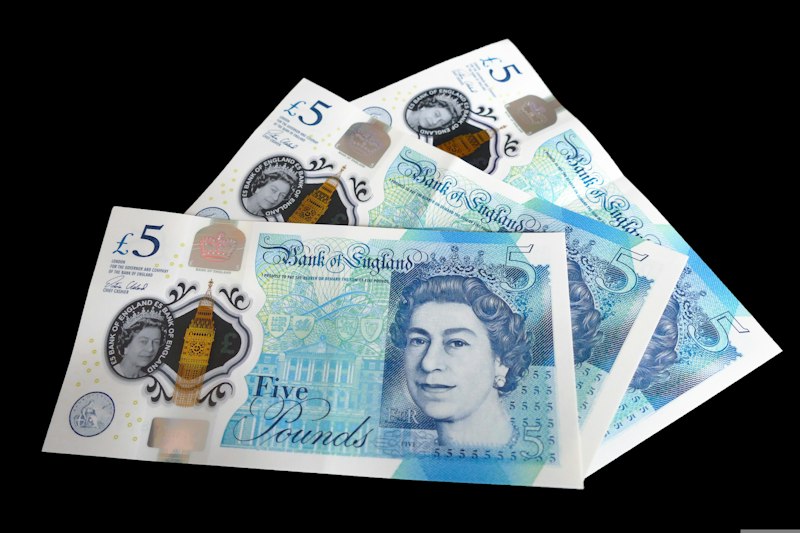
The short answer: from 6 April 2027, savers in the UK aged under 65 will only be able to put £12,000 a year into a Cash ISA, down from £20,000. The overall ISA allowance stays at £20,000, so the other £8,000 can still go into a Stocks and Shares or Innovative Finance ISA. People aged 65 and over keep a £20,000 Cash ISA limit. New anti-avoidance rules come in at the same time: no transfers from a Stocks and Shares ISA into a Cash ISA for under-65s, and a 22% charge on interest paid on cash left sitting inside non-cash ISAs.
The change was announced at Budget 2025 and is now law-in-waiting: HMRC says the Individual Savings Account (Amendment) (No. 2) Regulations 2026 were laid before Parliament on 14 September 2026 and come into force on 6 April 2027. That makes the current tax year, 2026/27, the last one in which an under-65 can pay the full £20,000 into cash. It is why "cash ISA limit 2027" is one of the most searched savings questions this autumn.
What changes on 6 April 2027
According to HMRC's policy paper on the Cash ISA limit reduction, published on 17 September 2026, the measure amends the Individual Savings Account Regulations 1998 to:
- reduce the annual Cash ISA subscription limit to £12,000 for individuals aged under 65
- keep the overall ISA subscription limit at £20,000
- keep a £20,000 Cash ISA limit for those aged 65 and over
- add anti-circumvention rules, including restrictions on transfers into Cash ISAs, a flat-rate charge on interest paid on cash in non-cash ISAs, rules on Money Market Funds and extra reporting by ISA managers
| Under 65 | 65 and over | |
|---|---|---|
| Overall ISA allowance | £20,000 | £20,000 |
| Cash ISA limit from 6 April 2027 | £12,000 | £20,000 |
| Transfer from Stocks and Shares or Innovative Finance ISA into Cash ISA | Not permitted | Permitted from the tax year you turn 65 |
| 22% charge on interest paid on cash inside a non-cash ISA | Applies | Applies |
| Portfolio made up 100% of Money Market Funds | Not a qualifying investment | Not a qualifying investment |
The limits for Stocks and Shares ISAs, Innovative Finance ISAs and Lifetime ISAs stay the same, according to HMRC's ISA reform 2027 factsheet.
Who is actually affected
Fewer people than the headlines suggest. HMRC's policy paper says that in 2022 to 2023, 78% of Cash ISA subscribers aged under 65 put in less than £12,000, and 22% put in more. If you typically save less than £1,000 a month into a Cash ISA, the new limit will not change what you do.
The people who need to plan are:
- under-65s who regularly fill most or all of a £20,000 Cash ISA each year
- savers who were planning to put a lump sum — an inheritance, a bonus, house-sale proceeds — into a Cash ISA after April 2027
- anyone who uses a Stocks and Shares ISA as a cash parking space, or who holds large cash balances inside one
- people approaching 65, for whom the timing of the rule matters
The anti-avoidance rules, in plain English
HMRC's factsheet lists three things the government wants to stop: paying £20,000 into a non-cash ISA and leaving it in cash earning tax-free interest; paying £20,000 into a non-cash ISA and then transferring it to a Cash ISA; and paying £20,000 into a non-cash ISA and buying only cash-like investments. Each gets its own rule.
The 22% charge. You can still hold cash inside a Stocks and Shares ISA, but a flat-rate charge of 22% applies to any interest paid on that cash. HMRC says ISA managers pay the charge to HMRC — you do not declare it — and that the Personal Savings Allowance does not apply to interest inside an ISA. In its September 2026 newsletter HMRC describes the charge as set at the savings basic rate.
No transfers into cash for under-65s. Transfers from a Stocks and Shares or Innovative Finance ISA into a Cash ISA will not be permitted. Transfers the other way, from a Cash ISA into a non-cash ISA, remain possible.
No 100% Money Market Fund portfolios. From April 2027, cash-like assets in non-cash ISAs are defined as Money Market Funds only. They are allowed as part of a portfolio, but a non-cash ISA invested entirely in them will be a non-qualifying investment. HMRC's September 2026 newsletter confirms this restriction will not apply to Junior ISAs. The factsheet is explicit that ordinary shares, funds, investment trusts, ETFs and corporate and government bonds, including gilts, are not treated as cash-like assets.
If you are approaching 65
HMRC's factsheet says the £20,000 Cash ISA limit applies from the start of the tax year in which you turn 65, and that the transfer restriction is lifted from that point. The 22% charge on cash held in non-cash ISAs and the ban on portfolios made entirely of Money Market Funds still apply after 65.
In practice, someone whose 65th birthday falls in, say, January 2028 would be treated as 65 for the whole 2027/28 tax year that began on 6 April 2027. Check the final ISA manager guidance, which HMRC says will be published before the changes take effect, for how your provider will apply this.
What to do before 6 April 2027
Use this year's full allowance if cash is genuinely what you need. In the 2026/27 tax year, under-65s can still pay up to £20,000 into a Cash ISA. If you have money you want to keep in cash long term, this is the last year that full amount is available.
Separate your emergency fund from your long-term money. The policy's stated purpose is to push long-term savings towards investment. Cash still makes sense for money you may need within a few years. For money you will not touch for five years or more, a Stocks and Shares ISA is the route the government is steering people towards — with the usual caveat that investments can fall in value.
Check whether your Cash ISA is flexible. GOV.UK explains that if your ISA is flexible, you can take cash out and put it back in during the same tax year without reducing your allowance; your provider can tell you whether yours is. Under a £12,000 cap, that feature matters more than it used to.
Look beyond ISAs for cash above the limit. Interest outside an ISA may still be tax-free: GOV.UK lists the Personal Allowance, the starting rate for savings and the Personal Savings Allowance, and how much you get depends on your other income. Whatever the wrapper, the FSCS says it protects deposits at a UK-authorised bank, building society or credit union up to £120,000 per eligible person, per institution for firms failing after 30 November 2025 — and banks that share a banking licence count as one. Our guide to how to check if a bank is safe explains how to check.
Do not move money out of a Stocks and Shares ISA into cash on impulse. After April 2027, an under-65 cannot transfer it back into a Cash ISA. Decide where long-term money belongs before the door closes in one direction.
Choosing a Cash ISA for 2026/27
The rate is only one part of the choice. Look at:
- Easy-access, notice or fixed term. Fixed terms usually pay more but lock the money away; check the penalty for early access
- Whether it accepts transfers in, if you want to consolidate older ISAs
- Whether it is flexible, so withdrawals can be replaced within the tax year
- Who holds the licence, because the FSCS treats banks sharing a banking licence as one bank for its £120,000 limit
For the bigger picture on where cash sits safest, read neobank deposit protection: who actually holds your money and our high-yield savings guide. If you hold accounts in several countries, how to protect your money while banking overseas covers how deposit schemes differ.
What could still change
The regulations have been laid and the start date is set, but HMRC says it will publish updated ISA manager guidance before 6 April 2027, and the government is still reviewing the definition of Money Market Funds. HM Treasury has also consulted on a new First Time Buyer ISA to be offered in place of the Lifetime ISA; that is a separate change with its own timetable. Check gov.uk for the latest position before making a large decision.
This is general information, not financial or tax advice. ISA rules apply to UK residents, tax treatment depends on your individual circumstances, and savings rates change frequently. Investments can fall as well as rise.
Sources
- policy paper on the Cash ISA limit reduction (gov.uk)
- ISA reform 2027 factsheet (gov.uk)
- September 2026 newsletter (gov.uk)
- flexible, you can take cash out and put it back in during the same tax year without reducing your allowance (gov.uk)
- how much you get depends on your other income (gov.uk)
- up to £120,000 per eligible person, per institution (fscs.org.uk)
Sponsored partners

Affiliate disclosure: Links above are affiliate links. We may earn a commission at no extra cost to you.