Best Banks in Africa 2026: Mobile Money, Banks and Cover
Researched and drafted with AI assistance from published sources; published by NorwegianSpark SA, founded by Thomas Lovas Lokoy · Last updated: October 16, 2026
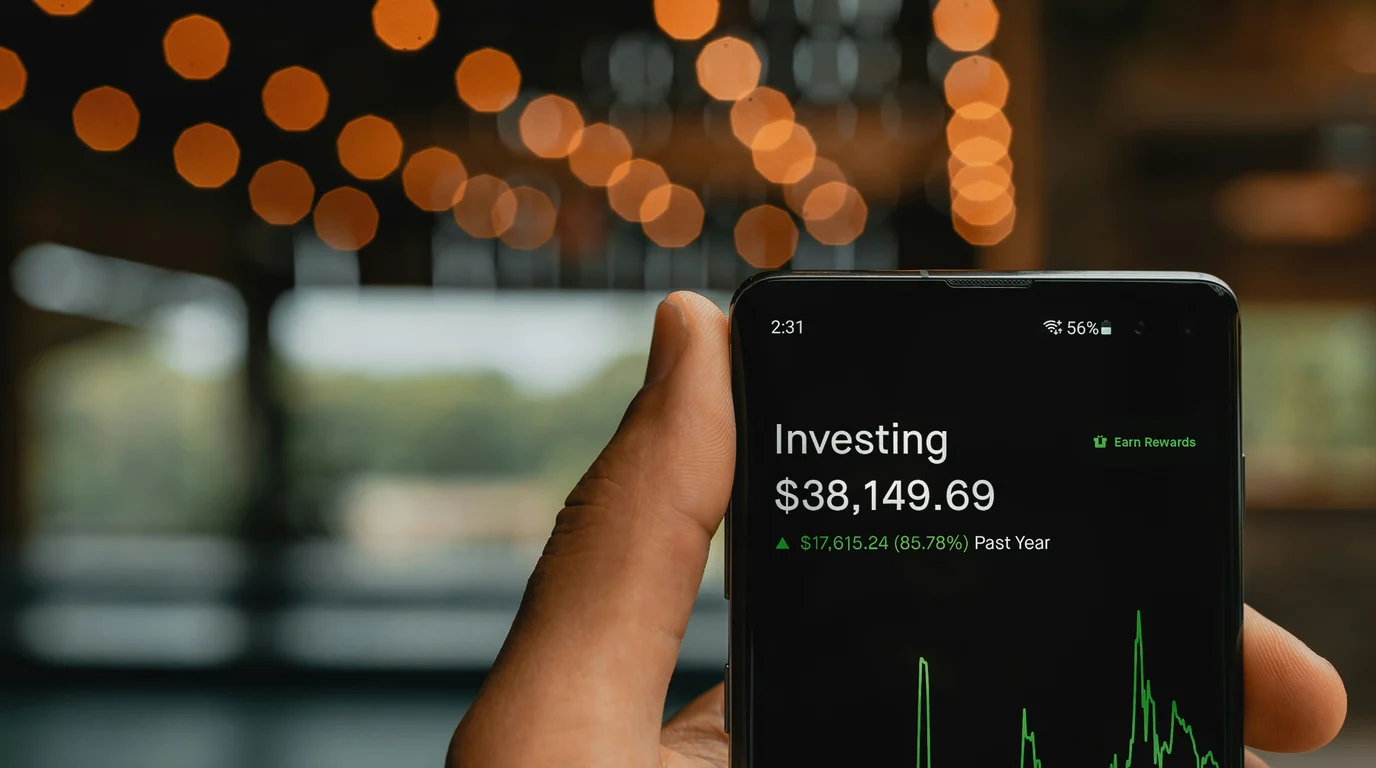
The best way to bank in much of Africa is often not a bank account at all: in Kenya and many other markets the everyday tool is a mobile-money wallet such as M-PESA or MTN MoMo, with a licensed bank or app-based bank added for savings and cards. Which combination suits you depends on the country, and so does the protection on your money, because each country runs its own deposit-insurance scheme with its own limit and rules for mobile money. This guide sets out who leads, using the figures the companies themselves publish, how protection works in Nigeria, Kenya and South Africa with worked examples, and what it costs to send money into the region.
Three Ways Money Is Held, and What Protects Each
| Where the money sits | Typical examples | How it is protected |
|---|---|---|
| Bank deposit | Accounts at licensed commercial banks | The national deposit-insurance scheme, up to its limit |
| Mobile-money wallet | M-PESA, MTN MoMo | Depends on the country; in Nigeria, the deposit insurer covers each subscriber's share of the operator's pooled bank account |
| App-based bank or super-app | Kuda, OPay | Depends on the licence the provider holds in that country; check before keeping large balances |
The middle row is the one that matters most and is least understood. A wallet balance is usually backed by money the operator holds in trust or pooled accounts at banks, so the protection depends on local rules for those accounts rather than on the wallet itself.
The Leaders, by the Numbers They Publish
M-PESA (Safaricom, Kenya). Safaricom's results for the year to March 2026 (released 7 May 2026) report 40.99 million one-month active M-PESA customers in Kenya, up 14.5% year on year, with M-PESA contributing 45.6% of Safaricom's Kenyan service revenue. Mobile money in Kenya is not a side product of telecoms; it is close to half of Safaricom's Kenyan service revenue.
MTN MoMo (MTN Group). MTN's results for the six months to 30 June 2026 (released 24 August 2026) report 70.8 million active Mobile Money users and 1.4 million active agents, across a group that serves customers in 19 markets.
App-based banks and super-apps. In Nigeria, Kuda offers free transfers, savings and a debit card in one app, and OPay grew from ride-hailing into a payments platform. These sit alongside mobile money rather than replacing it: many people receive and pay through a wallet and save or spend on a card through an app.
Payment infrastructure. Flutterwave and Paystack, the latter acquired by Stripe, provide the rails that let African businesses accept online and cross-border payments. If you run a business, these are what your checkout runs on, not what you bank with.
Deposit Protection in Three Large Markets
All figures below come from each deposit insurer's own website, read on 16 October 2026.
| Country | Insurer | Limit | Notes from the insurer |
|---|---|---|---|
| Nigeria | NDIC | NGN 5,000,000 for deposit money banks and mobile-money subscribers; NGN 2,000,000 for microfinance, primary mortgage and payment service banks | Mobile-money subscribers are covered "per subscriber per DMB" through pass-through cover on the operator's pooled account |
| Kenya | KDIC (Kenya) | KES 500,000 | Paid only when the Central Bank of Kenya places a bank in liquidation, not during receivership; balances above the limit are paid as assets are recovered |
| South Africa | CODI | ZAR 100,000 per depositor per bank, including interest | Foreign-currency deposits at a South African bank can be covered, paid out in rand; pays out when the Reserve Bank places a bank in resolution |
Three worked examples, one per country:
- Nigeria. NGN 8,000,000 at one deposit money bank: NGN 5,000,000 is insured and NGN 8,000,000 - NGN 5,000,000 = NGN 3,000,000 is not. The same NGN 8,000,000 at a microfinance bank would have NGN 6,000,000 uninsured, because the limit there is NGN 2,000,000.
- Kenya. KES 750,000 at one bank: KES 500,000 is paid by the insurer once the bank is in liquidation, and the remaining KES 250,000 depends on what the liquidator recovers.
- South Africa. ZAR 150,000 at one bank: ZAR 100,000 is covered, interest included, and ZAR 50,000 is not. Splitting it across two banks would cover all of it, because the limit applies per bank.
NDIC's own pages do not fully agree on primary mortgage banks (one page groups them at NGN 2,000,000, another at NGN 5,000,000), so check the current figure with NDIC if that applies to you. Our neobank safety guide explains how to check whether any provider is a licensed deposit-taker.
Sending Money to Africa: What It Costs
Remittances are a lifeline across the region, and sending money there is expensive by global standards. In the World Bank's Remittance Prices Worldwide report (Issue 51, Q3 2024 data), Sub-Saharan Africa was the most expensive region to send money to, at 8.45% average total cost, against a global average of 6.62%. Banks were the most expensive type of provider, at 13.64%, and digital services averaged 4.95%.
On a USD 200 transfer, the World Bank's benchmark amount, those averages work out as:
- Sub-Saharan Africa average: 200 x 8.45% = USD 16.90
- Global average: 200 x 6.62% = USD 13.24
- Through a bank, on the global bank average: 200 x 13.64% = USD 27.28
- Digital services, global average: 200 x 4.95% = USD 9.90
Those are averages across many corridors, not quotes, but the direction is consistent: a digital transfer into a mobile wallet usually costs far less than a bank wire. Our guide to sending money internationally for the lowest cost shows how to compare actual quotes, and Wise vs Revolut for transfers compares two common options for the sending side.
Choosing the Right Tool
- Everyday payments in East Africa: a mobile-money wallet, because merchants, utilities and agents accept it widely.
- Savings above the wallet's comfort level: a licensed bank, keeping each balance under the national insurance limit per bank.
- Card spending and app budgeting in Nigeria: an app-based bank, after checking its licence and protection.
- Receiving money from abroad: a wallet or bank account that a low-cost transfer service can pay into directly, compared on what actually arrives.
- Businesses selling online: a payment-infrastructure provider, connected to a business bank account.
For people moving between Africa and other regions, a multi-currency account adds the cross-border layer; see best multi-currency accounts.
Safety: Where the Phone Is the Account
When your phone number is your account, SIM-swap fraud is the main threat: a criminal who takes over your number can reset access to your wallet. Lock your SIM with a PIN where your operator allows it, never share one-time codes, and keep large balances in an insured bank account rather than a wallet. The general habits in our neobank safety guide apply, and the agent network that makes mobile money so accessible means personal security matters even more.
Why Africa's Model Matters Beyond Africa
Mobile money showed that financial services can reach very large numbers of people without a branch network, using agents and phones instead. That is the same idea now spreading elsewhere as embedded finance, where financial services live inside apps people already use. For the wider global picture of challenger banks, see our best neobanks of 2026.
Frequently Asked Questions
What is the best bank in Africa?
There is no single answer, because markets differ. In much of East Africa a mobile-money wallet such as M-PESA is the everyday tool, with a licensed bank for savings; in Nigeria app-based banks are widely used alongside mobile money.
Is mobile money protected if the operator fails?
It depends on the country. In Nigeria, the NDIC covers mobile-money subscribers up to NGN 5,000,000 per subscriber per bank through pass-through cover on the operator's pooled account. Check the rules of your own country's deposit insurer.
How much does it cost to send money to Africa?
In the World Bank's Q3 2024 data, the average total cost of sending USD 200 to Sub-Saharan Africa was 8.45%, about USD 16.90, against 6.62% globally. Digital services averaged 4.95%.
How big is M-PESA?
Safaricom reported 40.99 million one-month active M-PESA customers in Kenya for the year to March 2026.
This is general information, not financial advice. Deposit and safeguarding protections vary by country and provider across Africa — confirm the specific coverage that applies before holding a significant balance.
Sponsored partners

Affiliate disclosure: Links above are affiliate links. We may earn a commission at no extra cost to you.